facebook   Ita FlagUK flags
A+ A A-

Segreteria Assomusica

ASSOMUSICA WELCOMES THE NEW LAW FOR LIVE MUSIC

ASSOMUSICA WELCOMES THE NEW LAW FOR LIVE MUSIC

Assomusica, the Italian association that brings together the most important companies involved in promoting and producing live music events in Italy, is extremely satisfied and appreciative for the approval of the act 4652, that delegates to the government the “regulation of contemporary popular live music activities”.

“It’s a historic moment for the sector: after so many years we have a real law for a live music - The President of ASSOMUSICA, Vincenzo Spera expresses his contentment and thanks the government, the 17 deputies who signed the proposed law Rampi, the sponsors, the presidents and all the members of the Culture Commission of the Chamber of Deputies and of the Senate. He points out that: “The new law acknowledges the social, educational and economic significance of live music and contemporary popular music, as well as their central role in the development of tourist and cultural offers in our country.

The implementation of extraordinary plans for the renovation of theatres, spaces and structures used for performances, with a particular focus on those located in small municipalities, lays the foundations for the balance in terms of offer and demand of performance activities, especially in geographically disadvantaged areas

The support for the internalization of the production of young Italian artists, the renewal of the tax credit for talents, the request to increase the presence of youngsters in television programs and the promotion of performance culture and methods, amongst the younger generations in schools – all these aspects lay the groundwork for an effective encouragement of a new generation of emerging artists and for truly relaunch of live music.

Another signifier point is the planned simplification of the safety procedures and standards required to stage performances.

The approval of the proposed law comes just after the government’s decision to extend, in the 2018 Budget Law, the application of the facilitated VAT on artist performances as part of live shows. A regulation that the sector had been expecting for almost ten years and which is an important acknowledgement of a significant business sector.

They are two great results, which have been made possible especially due to petition to relaunch the pop music sector promoted in the spring of last year - concludes Vincenzo Spera - Artists, sportsmen, famous names from the world of culture and show business, professors, students and numerous music lovers have joined this appeal. We want to share the great satisfaction with all of them”.

Aspects introduced by the new law :

  • Acknowledgement of live music and contemporary popular music “as a fundamental component of the country’s cultural, artistic, social and economic heritage, an element of social cohesion and aggregation and a central instrument in the development of tourist and cultural offers”;
  • Extension of the concessions included in Law 800/1967 * to contemporary popular music;
  • Definition of the figures involved in the organisation and production of contemporary popular music and the criteria and requirements to carry out this activity;
  • Implementation of extraordinary long-term plans for the renovation and technological upgrade of theatres or structures and spaces permanently used for performances, with a particular focus on those located in municipalities with populations of less than 15,000 inhabitants;
  • Policies aimed at redressing the territorial balance in terms of offer and demand of performance activities, also in reference to geographically disadvantaged areas;
  • Supporting the production of young Italian artists, as well as the performance of contemporary popular music, at the international level, also through artistic coproductions and interdisciplinary collaborations;
  • Encourage a new generation of emerging artists and support authorial and traditional popular music, with the renewal of the tax credit for talents and by increasing the presence of youngsters in radio and television programs;
  • Simplification of the safety procedures and standards required for performances, as well “updating the procedures, with an extensive and optimal use of information and communication technologies, also in the relations with the recipients of the administrative regulations”;
  • Promotion of the performance culture and methods amongst the younger generations, also through new technologies and measures aimed at all school levels and post-graduate bodies and institutes.

* Law No. 800 of 14 August 1967 was the first Organic Law of the Italian Republic for the music sector, even though it was primarily focused on operatic institutions and classical concerts

It established the welfare regulations for the operatic and musical activities and defined the activities included, excluding all individuals operating in profit making entrepreneurial activities.

Often modified over the years with precise, but never systematic interventions, it was, seeing its age and the impetuous development of the music sector, in need of a complete overhaul. In particular to acknowledge the equal rights of all types of music productions.

L'Italia avrà finalmente la sua prima vera legge sulla musica

Mancano ancora pochi giorni ma ormai il Ddl sullo spettacolo dal vivo, già approvato al Senato e ora in votazione alla Camera, e nato come costola del provvedimento sul cinema, sarà di fatto la prima vera legge sulla musica approvata nel nostro Paese.

Di una legge organica per il settore, senza distinzioni di genere, si è cominciato a parlare nel 1997 con l'allora ministro Valter Veltroni . Ci sono voluti vent'anni perché un norma quadro vedesse la luce. 

Tra i più attivi sostenitori della legge, l'attuale relatore alla Camera del provvedimento, Roberto Rampi che ci conferma come questa normativa, assieme ai recenti interventi come l'estensione alla musica registrata del bonus di 500 euro per i diciottenni e l'emendamento sull'Iva per in concerti, conferma finalmente la collocazione a pieno titolo della musica tra i beni culturali. Per Rampi è sicuramente un risultato importante dato che un delle prime proposte di legge della legislatura arrivava proprio dal deputato lombardo, attento alle politiche culturali del Pd.

In sintesi con la legge in approvazione aumentano le risorse per lo spettacolo: +19 milioni di euro per i prossimi 2 anni e +22,5 milioni di euro dal 2020. La riforma incrementa sensibilmente le risorse del Fondo Unico per lo Spettacolo con fondi pari a +9.5 milioni di euro per ciascuno degli anni 2018 e 2019 e a +22.5 milioni di euro a decorrere dal 2020.

 4 milioni di euro per spettacoli nelle zone del sisma

La legge inoltre autorizza la spesa di 4 milioni di euro per attività culturali nei territori colpiti dal sisma del Centro Italia.

 Estensione dell'ArtBonus a tutti i settori dello spettacolo

La riforma estende poi l'Art Bonus a tutti i settori dello spettacolo: grazie al provvedimento anche le orchestre, i teatri nazionali, i teatri di rilevante interesse culturale, i festival, i centri di produzione teatrale e di danza, i circuiti di distribuzione potranno avvalersi del credito d'imposta del 65% per favorire le erogazioni liberali finora riservato esclusivamente alle fondazioni lirico-sinfoniche e ai teatri di tradizione.

• Stabilizzazione del Tax credit musica

La legge stabilizza inoltre il tax credit musica, il beneficio riconosciuto alle imprese produttrici di fonogrammi e videogrammi musicali e produttrici di spettacoli di musica dal vivo per la promozione di artisti emergenti, con oneri pari a 4.5 milioni di euro a decorrere dal 2018. Per gli stessi giovani artisti ai quali si applica il tax credit vengono anche riservati appositi spazi di programmazione nelle piattaforme radiotelevisive anche mediante specifici obblighi di trasmissione nel contratto di servizio tra il Ministero dello sviluppo economico e la RAI-Radiotelevisione italiana s.p.a.

• Sostegno statale a nuovi settori dello spettacolo

Grazie a questa riforma, il sostegno statale allo spettacolo dal vivo si estenderà alla musica popolare contemporanea, ai carnevali storici e alle rievocazioni storiche e verrà riconosciuto il valore di diverse forme di spettacolo, tra cui le pratiche artistiche amatoriali, le espressioni artistiche della canzone popolare d'autore, il teatro di figura, gli artisti di strada.

• Aggiornamento delle norme sulle Fondazioni lirico sinfoniche

Verrà aggiornata anche la disciplina delle fondazioni lirico-sinfoniche, alle quali verrà dedicato un fondo specifico governato da nuovi criteri di erogazione dei contributi statali che verranno parametrati in base alle risorse ricevute da privati, Regioni e Enti Locali e alle capacità gestionali dimostrate.

• Nasce il Consiglio superiore dello Spettacolo

Nasce il Consiglio superiore dello spettacolo, organismo consultivo del Ministro dei beni e delle attività culturali e del turismo che sostituisce la Consulta per lo spettacolo. Il Consiglio avrà compiti di consulenza e supporto nell'elaborazione e attuazione delle politiche di settore, nonché nella predisposizione di indirizzi e criteri generali relativi alla destinazione delle risorse pubbliche per il sostegno alle attività di spettacolo.

La legge dovrebbe essere presentata ufficialmente in occasione della Milano Music week, il 20 novembre. Per l'industria musicale il percorso è appena iniziato, il prossimo passo sarà l'emanazione dei decreti attuativi che ci si augura possano essere approvati dal Mibact entro la fine della legislatura.

Fonte: Huffpost

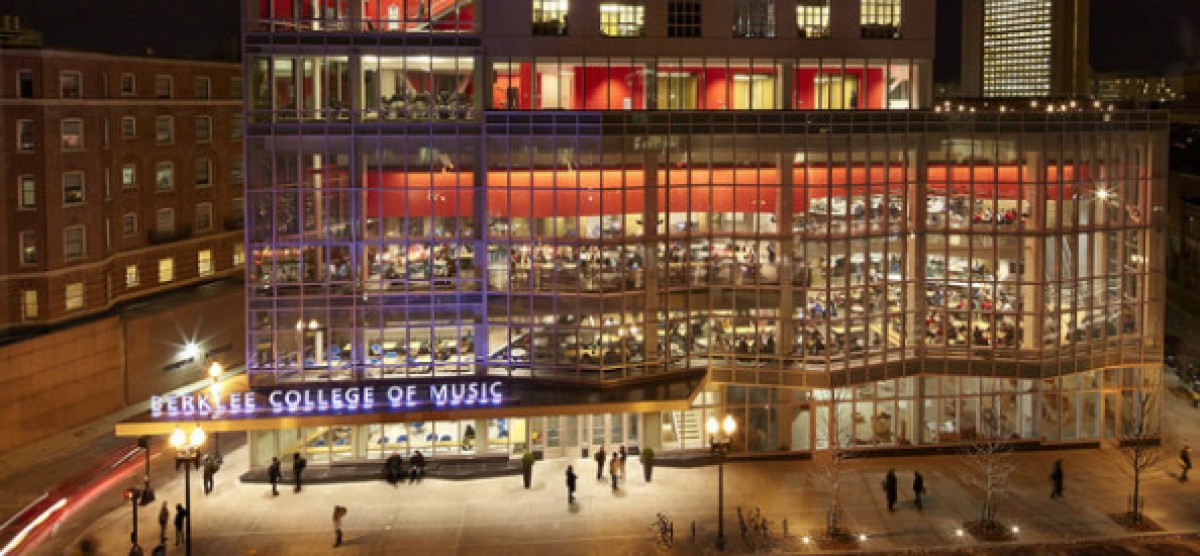
Berklee Online Adds First Master's Programs, for Music Biz and Production

Berklee College of Music's online school has announced its first two master's degree programs, one for music production and another for the music business. Each program will consist of 12 online-based courses and give students a chance "to spend a year doing everything they love and honing their knowledge and skills to advance their career in the music industry," said Carin Nuernberg, Berklee's vp of online education.

Students seeking a Master of Arts in Music Business will learn about artist management, marketing, licensing, branding, and touring, with featured faculty including SiriusXM expect Casey Rae and lawyer John Kellogg, among others. Those working towards a Master of Music in Music Production will focus on advanced recording, mixing, and mastering, vocal production and audio for visual media, with faculty including Sean Slade and Enrique Gonzalez Müller.

See more on BILLIBOARD

IQ MAGAZINE: ITALIAN PROMOTERS WELCOME CONCERT VAT CUT

The reduction in VAT paid by "intermediaries" working in live music has been praised by promoters' association Assomusica as bringing Italy's tax code "up to date"


Italian promoters’ association Assomusica has welcomed a reduction in VAT on concert professionals to 10%, saying the move, enshrined in Italy’s 2018 budget law, recognises the “new reality” of the modern, production-heavy live music business.

“We welcome this measure, which we have expected since 2007, absolutely,” comments Assomusica president Vincenzo Spera. “We worked with parliamentarians and ministers to come to this conclusion [and] thank the government for adopting this law, and all those who have worked for us.”

The budget law extends the favourable reduced rate of value-added tax (VAT) currently enjoyed by concerts and other live entertainment to “related services provided by intermediaries”, such as production and suppliers.

“Many years ago, live entertainment was different to what we have today,” continues Spera (pictured). “In the past there was a singer in a theatre, where there was already an artistic director and stage design. Today is different: today, concerts are performances that travel all over, with lighting, production designers, directors, sound engineers, everything that comes with the artist.

“It was necessary to bring the discourse up to date and to align VAT with live performance as a whole.”

VAT in Italy is currently charged at 22%.

The tax cut in Italy follows a similar developments in Spain, where VAT on live entertainment has recently been reduced to 10%, down from 21%.


SEE MORE

Why Fans Are Selling Festival Tickets To Earn Everything From Free Admission to Golden Toilets

For the past four summers, Jack Fosseyhas enjoyed ending his university semester by celebrating with his friends at the annual British music festival Bestival. In 2014, he purchased a general admission ticket and camped out for the weekend festivities with his usual crew.

But the following year, he and his friends all went for free, and were treated to a variety of first class amenities. The reason: he sold 62 Bestival tickets as an ambassador for Verve, a word-of-mouth sales software for live entertainment.

"I actually sold the most tickets in the U.K. so I hit the top prize tier," he tells Billboard. "A speed boat picked me up in South Hampton and took me to the festival on the Isle of Wight. I was able to bring five or six of my mates and they gave us champagne along the way. It was pretty awesome." The 22-year-old Fossey was awarded a free ticket to the four-day fest, a VIP camping spot for himself and up to 10 pals, a t-shirt, and passes to watch the show behind the venue’s main stage.

see more on  Billboard

Ephgrave, an alumni of Ticketscript, Seatwave and Yplan, will oversee all daily operations at the fast-growing UK festival package company

Ticketing industry veteran Matt Ephgrave has been appointed chief operating officer of Festicket, a UK-based seller of festival ticket packages.

Ephgrave, who has previously worked at Ticketscript (acquired by Eventbrite in January), Yplan (now owned by Time Out) and Ticketmaster’s Seatwave, will oversee all Festicket’s daily operations, including global customer service, fulfilment and account and campaign management, from its London HQ.

Festicket packages tickets with travel, accommodation and other add-ons to create “complete festival trips”, working with more than 500 partner music festivals in 40 countries. It was recently ranked as the UK’s 6th fastest-growing technology company by the Sunday Times Tech Track 100, and is on course for 100% revenue growth in 2017.

see more on IQ Magazine

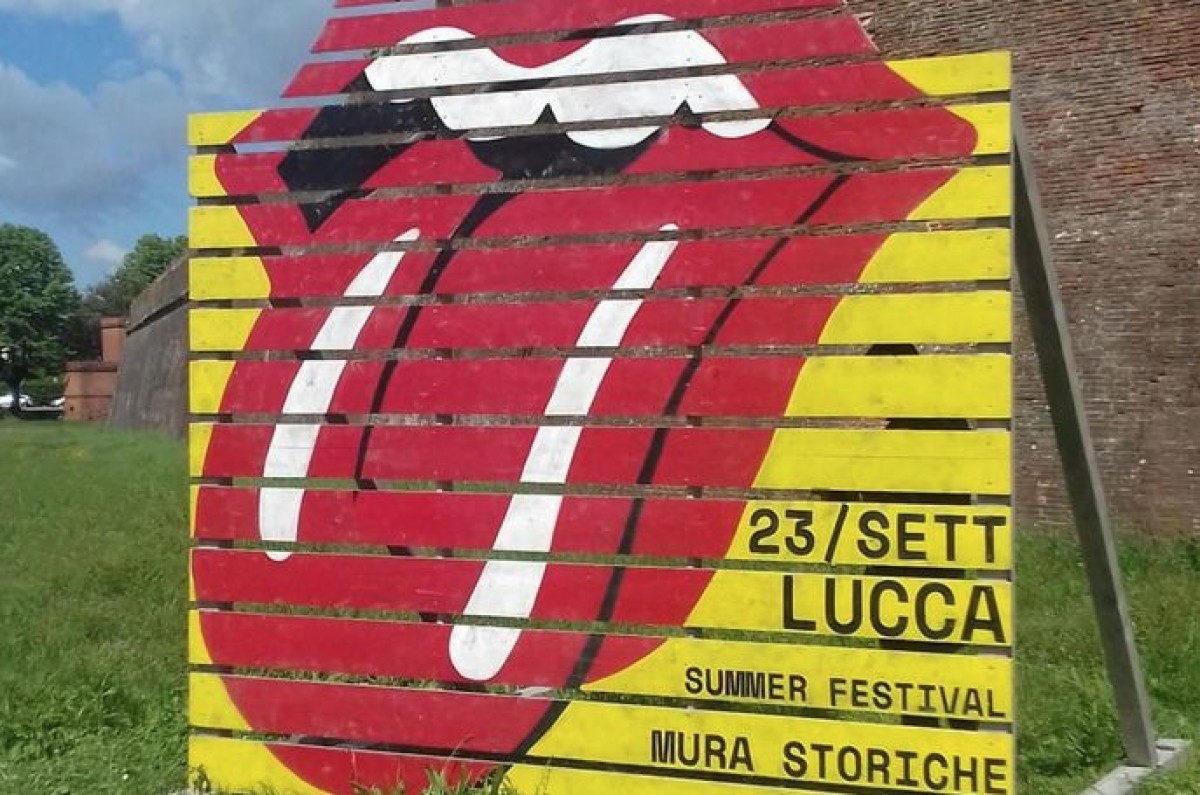
Lucca Il concerto degli Stones frutta 11 milioni di indotto

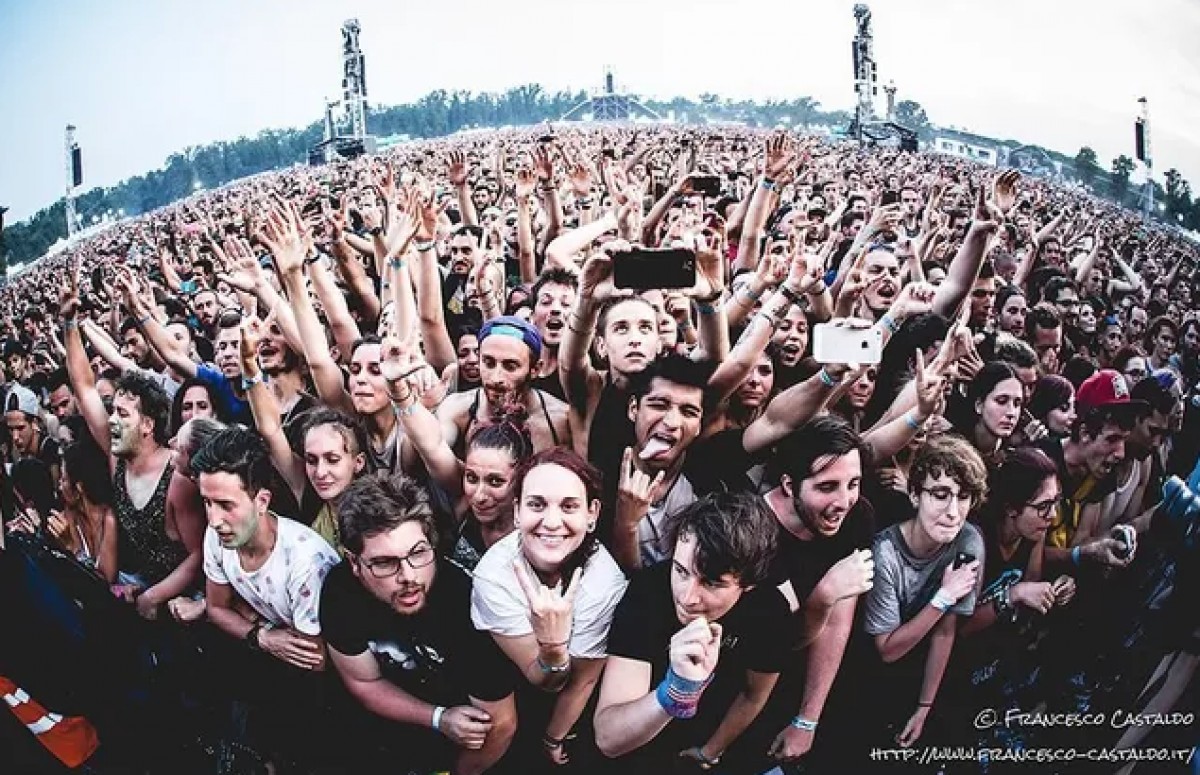
 LUCCA È passato poco più di un mese dal concerto evento del 23 settembre sotto le Mura di Lucca dei Rolling Stones. Tanto si è detto su quanto l'indotto legato alla band inglese avrebbe fruttato alla città. Un ballare di cifre sul quale interviene, e lo fa in maniera scientifica, l'Università di Pisa in uno studio curato dai professori Salvati e Sodini. Una serie di dati tra i quali il più interessante è quello legato all'indotto: superiore a 11 milioni di euro per Lucca, dati che sale per quanto riguarda la Toscana a quasi 17 milioni di euro. In totale l'intero cartellone del Lucca Summer Festival ha generato un indotto pari a 23 milioni di euro. Guardando in particolare al concerto dei Rolling Stones, ben il 95% del pubblico era composto da italiani. La permanenza presso le strutture ricettive è avvenuta almeno per il 44% fuori dai canali "tradizionali" degli alberghi ma utilizzando forme "alternative", tipo affittacamere (magari trovati navigando sul portale Airbnb). Interessante, infine, il voto espresso dagli spettatori all'evento: l'85% degli intervistati tornerebbe al concerto nella stessa location sotto le Mura.


Fonte: Il Tirreno

Legge di Bilancio 2017, Iva agevolata al 10% anche per i concerti

Ai biglietti per gli spettacoli musicali dal vivo in programma sul territorio nazionale verrà applicata un'aliquota Iva agevolata pari al 10%, così come già previsto attualmente dalla legge italiana solo per gli spettacoli teatrali: il provvedimento è stato inserito nel testo definitivo della legge di Stabilità approdato da poche ore in Senato, la cui approvazione è prevista per i primi giorni del prossimo mese di novembre. "La norma che porta anche per i concerti l’Iva al 10% ha una grande importanza", ha commentato il componente della Commissione Cultura della Camera Roberto Rampi: "Aggiunge, infatti, nel solco di un lavoro continuo di questi ultimi anni, un altro tassello per il pieno riconoscimento della musica nel campo della cultura".

Un provvedimento identico è stato preso dal governo spagnolo solo lo scorso mese di luglio, quando la VAT sugli spettacoli musicali live è stata portata dal parlamento di Madrid dal 21% al 10%: nel caso della penisola iberica, tuttavia, la delibera non rappresenta un'agevolazione all'industria del live ma di un parziale ripristino dello status accordato ai concerti prima del 2012, quando l'allora neoinsediato governo guidato da Mariano Rajoy - tra le altre misure adottate per colmare il deficit pubblico - portò l'Iva sugli spettacoli musicali dall'8 al 21%.

fonte Rockol

Assomusica President, Vincenzo Spera: "Satisfaction" for 10% VAT on artistic performance"

"We welcome this measure absolutely. We expected thath since 2007. " So Assomusica President, Vincenzo Spera, comments with AgCult the rule contained in the Maneuver that brings to the 10% the VAT for "theatrical performances of any type, including opera, ballet, prose, operetta, musical comedy, magazine; vocal and instrumental concerts; circus activities and traveling performances, shows of puppets and puppets wherever they are kept ", extending these provisions also to the" related services provided by intermediaries ".
"Our satisfaction - says Spera - is enormous. We worked together with parliamentarians, ministers, to come to a conclusion of this path, with a new interpretation of reality. We thank the government that has adopted this norm and all those who have worked for us. "
"Many years ago - says Spera - the artistic performance was different from what we have today. In the past there was a singer, an opera theater, where there was already director and stage design. Today is different, today the concerts are performances traveling in all directions, with lights, scenographers, directors, sound engineers, everything that comes with the artist. It was necessary to bring the discourse to the present and to align the VAT to the artistic performance as a whole. "
"Very often," adds Spera, "it's not easy to understand the problems of our industry, among those few who are growing. Where legislation helps and facilitates work, it is more likely that growth will continue. In this regard I do not hide that even the new code of live entertainment code, which is about to land at the Chamber of Deputies, contains important elements for the definition of rules and roles in this sector. Here too, a lot of work has been done with those who wrote the law, a work also elaborated on the territories. "


See moore: Manovra: Iva agevolata al 10% per concerti, circhi e spettacoli viaggianti (anche per le prestazioni connesse)

IQ MAGAZINE: “MISSED OPPORTUNITY”: DUTCH SENATE SHOOTS DOWN TOUTING BILL

The Ticketwet (Ticket Act) would have enabled ticket buyers who paid more than 20% above face value to have reclaimed the overpaid amount

Dutch member of parliament Jasper van Dijk has criticised as a “huge missed opportunity” the rejection of a bill that would have ensured consumers who had bought a ticket for more than 20% above face value would be reimbursed.

If passed, the Ticket Act (Ticketwet), proposed by Socialist Party MP van Dijk and Christian Democratic Appeal (CDA)’s Madeleine van Toorenburg, would have enabled buyers to claim back the overpaid amount. This could, says van Dijk, have been achieved via collective litigation or through a dispute committee.

It was defeated in the Dutch senate yesterday afternoon by ‘no’ votes from the Labour Party, the People’s Party for Freedom and Democracy and other CDA MPs. The bill had already passed the lower house, the House of Representatives, in 2010.


see more

Subscribe to this RSS feed